

ALDERS »
Potentiometer
Potentiometer for mechanical voltage division
The potentiometer, or “pot” for short, is an electrical resistive component in which the resistance value can be changed mechanically, i.e. by rotating or sliding. Potentiometers are frequently used as rotary potentiometers or slide potentiometers for controlling electronic devices and components. Rotary potentiometers are used, for example, to detect angles in components such as valves. They are also used in device and vehicle engineering as setpoint generators and position sensors. They are highly precise in terms of electrical and mechanical tolerances and have a long service life. Potentiometers are used in Industry, Medical technology and HiFi technology as well as in the Aerospace industry.
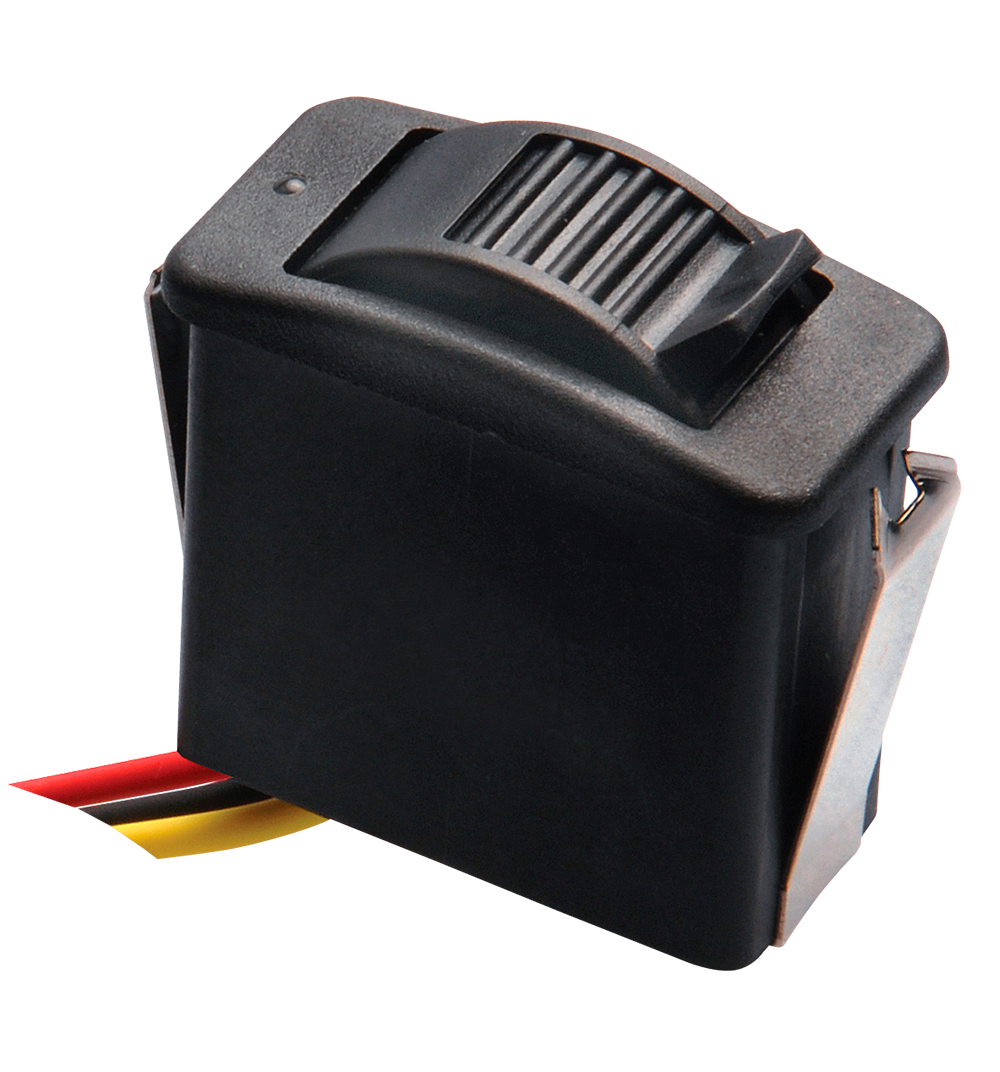
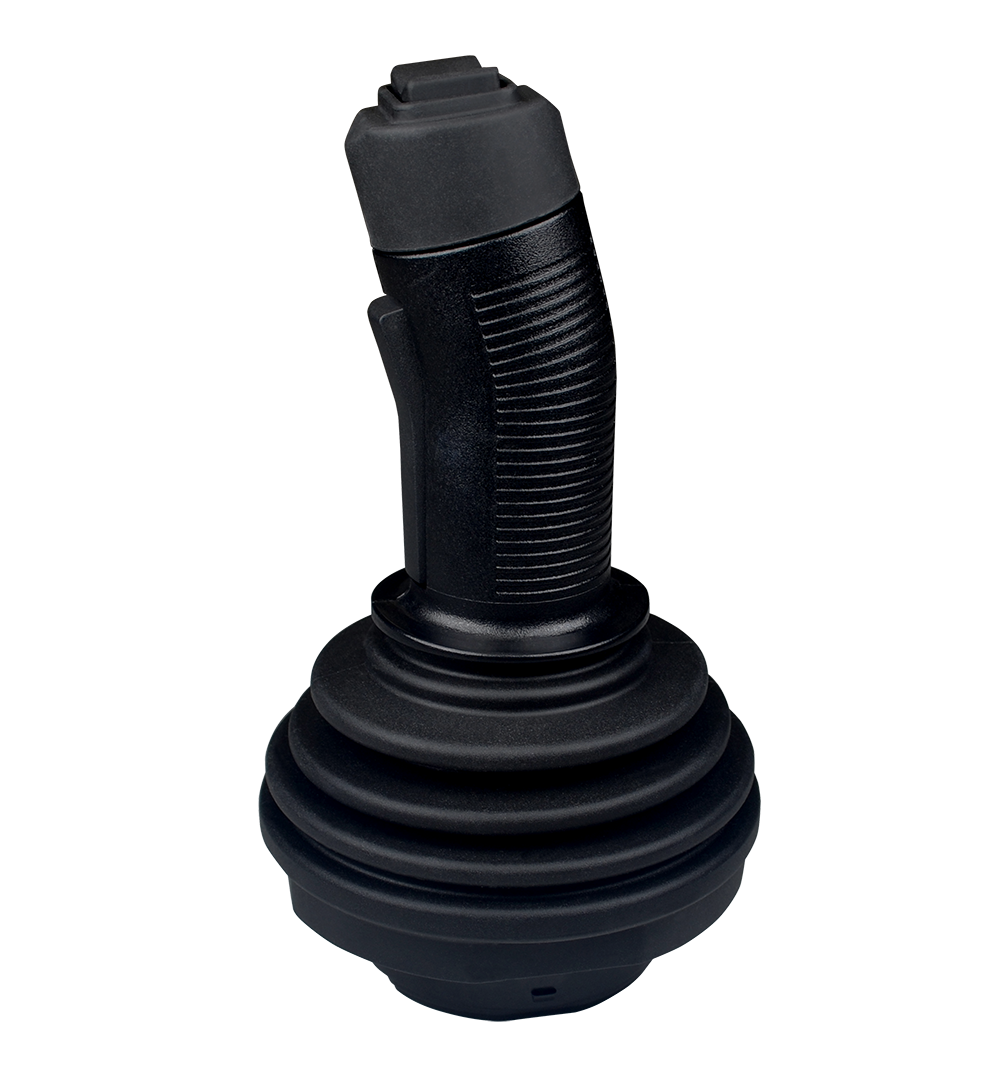
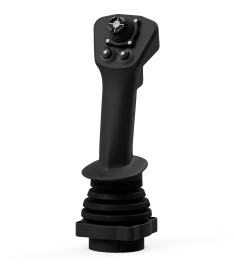
For the installation of high-quality rotary potentiometers, we offer products from GT Joysticks in our product range.
The rotary potentiometers have the following properties:
- conductive plastic or precision wire resistance
- precise electrical and mechanical tolerances
- robust, compact design
- high mechanical service life and reliability
Potentiometer by ALDERS
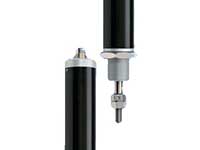
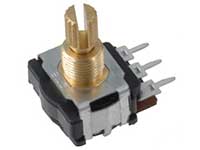
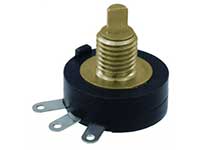
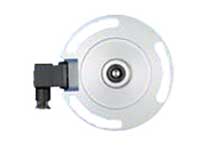
Rotary Potentiometers for Your Control, Regulation and Microprocessor Technology
In all areas of industry, whether semiconductor, control engineering or microprocessor technology, regulated systems are used. These fields require sensors with high mechanical and electrical robustness. Potentiometers from GT Joysticks meet exactly these requirements.
In general, a potentiometer consists of a non-conductive carrier, the voltage divider. On this carrier, a resistive material made of carbon, metal or cermet is applied. Depending on how thick and dense the layer is, a different resistance value is obtained. At both ends of the resistive track there is a connection that leads to the outside. A movable sliding contact (wiper) taps a voltage potential from the resistive track and mechanically divides the total electrical resistance into two partial resistances. The rule is: the lower the total resistance, the better the signal quality. The sliding contact also has a connection attached to it.
In a rotary potentiometer, the resistance value is changed by means of a rotating shaft. The value can be adjusted between a minimum and a maximum. The resistive path is therefore circular in shape. Depending on the size of the rotary potentiometer, small adjusting screws or larger sliding shafts may be used. The voltage curve can be linear or logarithmic depending on the design. Linearly adjustable rotary potentiometers are mainly used as variable resistors or voltage dividers. The logarithmic versions have a slowly rising resistance curve. This is used, for example, in volume control of radios or other hi-fi devices.
Potentiometers Provide High Accuracy and Short Measuring Times
Rotary potentiometers are necessary for controlling electronic systems. These applications require high accuracy as well as short measuring times. These include control engineering, regulation engineering and microprocessor technology. Potentiometers are used, among other things, in angle and position measurement. In this application area, they are indispensable as reliable transducers or command generators. They are used wherever lengths, positions, rotational speeds or angles need to be detected. This includes applications such as level measurement, measurement of flap and valve positions or temperature measurement.
You can obtain various versions of potentiometers from the manufacturer GT Joysticks. The industrial potentiometers, for example, are specifically designed for the high demands of this industry. We offer a model with a waterproof shaft bearing. Another model is equipped with a return spring, which is particularly advantageous for valves. Furthermore, we distribute rotary potentiometers designed for use in control units, steering and lifting angles of special vehicles, electric vehicles, operator consoles, scooters and more.
If you have any questions about potentiometers, we at ALDERS are here to support you and advise you on the products that are best suited for your application.
Customized Solutions and Engineering
When standard components reach their limits, ALDERS develops bespoke solutions tailored precisely to your specifications and ensures a secure, seamless delivery and transport process. Acting as an extension of your own production capabilities, we handle precision cable assembly, resin encapsulation for superior environmental protection, and the assembly of complete units. We manufacture individual components and small batches that integrate perfectly into your technical system design.
Frequently Asked Questions
Request a callback
When would you like a callback?
Write to us
We look forward to your inquiry!
Your expert in Potentiometer
Downloads
No downloads are currently available.
We’re happy to assist you in person!